


Mobile Veterinary Clinics: What to Include in a Custom Veterinary Vehicle
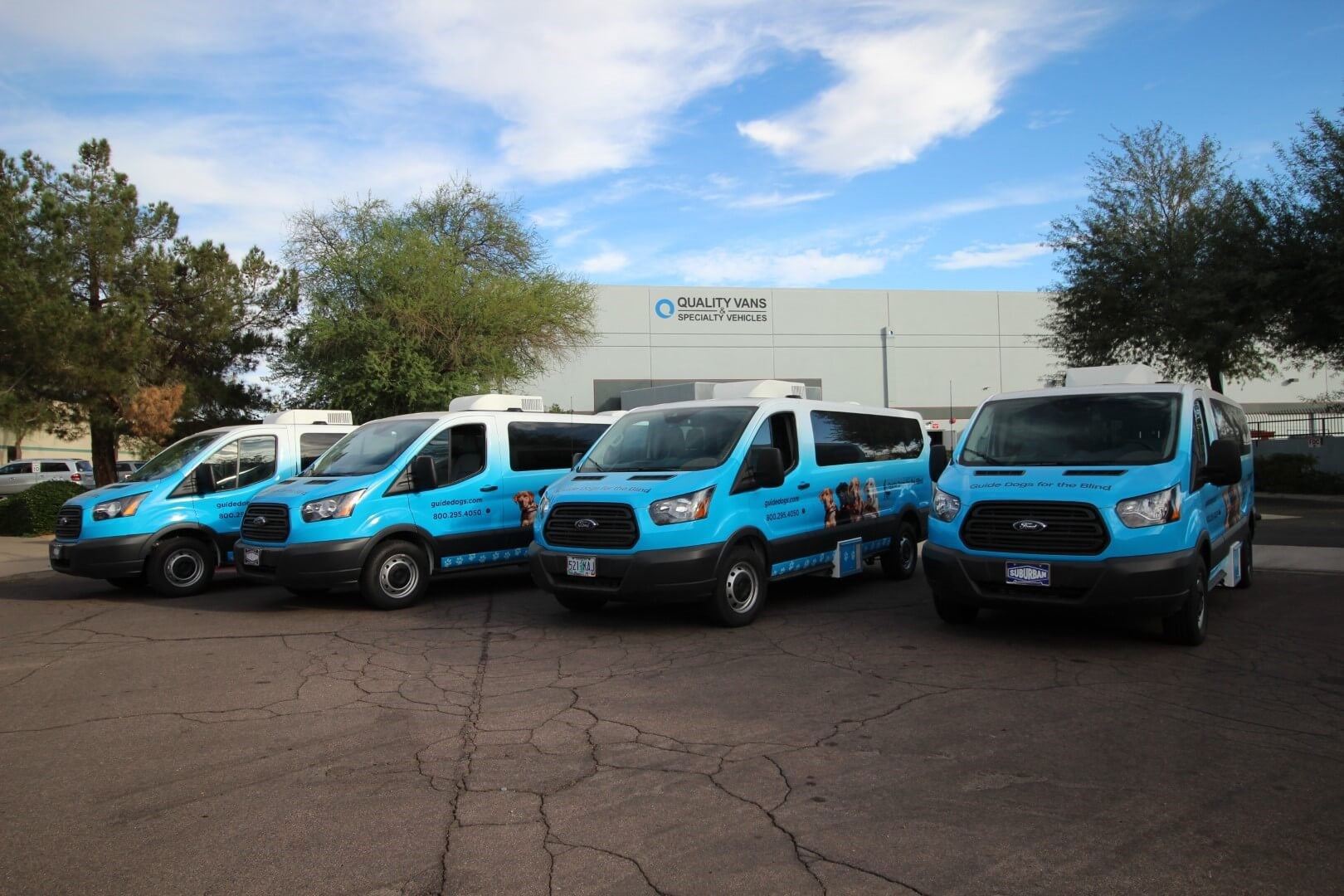
A mobile veterinary clinic can expand animal care beyond the walls of a traditional practice. It can reach rural communities, shelters, adoption events, disaster areas, and underserved neighborhoods.
However, building an effective clinic requires careful planning. A custom veterinary vehicle must support animal safety, medical workflows, sanitation, equipment, and staff comfort.
Therefore, organizations should consider how every feature will support daily operations before the build begins. Quality Vans & Specialty Vehicles can create a mobile veterinary clinic around those exact requirements.
Start With the Services Your Mobile Veterinary Clinic Will Provide
Every successful build begins with a clear service plan. First, determine which veterinary services the unit will provide.
Some mobile veterinary clinics focus on wellness exams, vaccinations, and microchipping. Others support dental care, diagnostic testing, spay-and-neuter procedures, or minor surgery.
The service list affects nearly every part of the vehicle. For example, a vaccination unit may need one flexible treatment space. Meanwhile, a surgical clinic may require separate preparation, procedure, and recovery areas.
Consider the following questions before planning the layout:
- How many animals will the clinic serve each day?
- What species and animal sizes will it accommodate?
- How many staff members will work inside?
- Which procedures will take place onboard?
- How long will the clinic remain at each location?
- Will the unit operate without external utilities?
Clear answers help the vehicle designer recommend the right platform and equipment.
Choose the Right Vehicle or Trailer Platform
A mobile veterinary clinic can use a van, truck, coach, or specialty trailer. Each option offers different advantages.
A van may work well for basic exams, vaccinations, or small outreach programs. It is easier to maneuver and may fit into tighter urban spaces.
However, larger trucks and trailers provide more room for equipment and separate work areas. They can also support surgery suites, recovery spaces, kennels, and larger veterinary teams.
A trailer may offer another important advantage. An organization can leave it at a location while using the tow vehicle elsewhere.
Before selecting a platform, consider parking access, road conditions, service territory, and expected appointment volume. Quality Vans can help clients compare these factors during the planning process.
Create an Efficient Interior Floor Plan
The interior should support a smooth medical workflow. Therefore, staff members must be able to move between stations without unnecessary delays.
A well-designed mobile veterinary clinic may include an intake area, exam space, treatment station, and recovery section. Larger units may also feature separate surgical and preparation rooms.
Equipment placement matters as well. Frequently used supplies should remain close to exam and treatment areas. Meanwhile, less common items can occupy secondary storage compartments.
The floor plan should also reduce animal stress. Whenever possible, animals entering the clinic should not cross paths with recovering patients.
Furthermore, doors and walkways must provide enough clearance for carriers, equipment, and larger animals.
Include Safe Kennels and Recovery Areas
Many veterinary programs need secure animal holding areas. These spaces may accommodate animals before treatment, after surgery, or during transportation.
Kennels should fit the expected animal sizes and patient volume. Additionally, each kennel needs proper airflow and secure hardware.
Custom kennel systems can help teams use limited space more efficiently. However, staff must still have safe access for cleaning and animal handling.
Recovery areas may require additional monitoring equipment and temperature control. They should also remain away from heavy foot traffic whenever possible.
Because every program serves different animals, kennel configurations should never follow a one-size-fits-all approach.
Plan for Reliable HVAC and Ventilation
Temperature control is essential inside a mobile veterinary clinic. Animals can quickly become uncomfortable or unsafe in extreme conditions.
Therefore, the vehicle needs an HVAC system sized for its interior, equipment, climate, and occupancy. The system should provide reliable heating and cooling throughout all patient areas.
Ventilation is equally important. It improves air quality, controls odors, and supports a healthier working environment.
Kennels, treatment areas, and recovery spaces may have different airflow requirements. As a result, the ventilation design should account for the entire floor plan.
Quality Vans prioritizes animal safety when designing custom animal care vehicles. That includes helping ensure the interior remains secure, ventilated, and properly cooled.
Add Plumbing and Sanitation Systems
Veterinary care requires frequent handwashing, equipment cleaning, and surface sanitation. Consequently, plumbing should be a key part of the design.
A mobile veterinary clinic may need fresh water tanks, wastewater tanks, sinks, and a water heater. Larger units may require multiple sinks or dedicated cleaning stations.
The amount of water storage depends on daily appointment volume and available utility connections. Clinics operating in remote areas may need larger onboard tanks.
Interior materials also affect sanitation. Floors, walls, counters, and cabinets should resist moisture and frequent cleaning.
Moreover, sealed surfaces can reduce areas where dirt, hair, and contaminants collect. This makes the unit easier to clean between patients and after each service day.
Build an Electrical System Around the Equipment
The electrical system must support every device used inside the clinic. This may include refrigerators, diagnostic tools, computers, pumps, lighting, and medical equipment.
Before construction begins, create a full equipment list. Include each device’s power requirements and expected operating time.
The vehicle may use shore power, batteries, solar panels, or an onboard generator. In many cases, combining power sources provides greater flexibility.
For instance, shore power may work at established locations. Meanwhile, a generator or battery system can support care in remote communities.
Backup power is especially important for medication refrigeration and essential medical systems. Therefore, the electrical design should provide reliable capacity without overloading circuits.
Incorporate Secure and Accessible Storage
A mobile veterinary clinic must carry supplies without becoming cluttered. Custom storage can keep equipment secure during travel and accessible during appointments.
Useful storage features may include:
- Medical cabinets and drawers
- Lockable medication compartments
- Vaccine refrigeration
- Instrument storage
- Overhead cabinets
- Cleaning supply areas
- Exterior equipment compartments
- Waste storage
Items should stay in place while the vehicle is moving. Therefore, cabinets and drawers need secure latches.
Storage should also follow the clinic’s workflow. Medical supplies belong near treatment areas, while cleaning products should remain separated from medications.
Consider Animal Loading and Human Accessibility
Safe entry matters for animals, owners, and veterinary staff. The right solution may include wide doors, ramps, steps, lifts, or grab handles.
Large dogs and animals with mobility limitations may struggle with steep stairs. Therefore, loading features should reflect the patients the clinic expects to treat.
Organizations should also consider accessibility for visitors with disabilities. Depending on the program, the vehicle may need an ADA-accessible entrance or wheelchair lift.
Exterior lighting can improve safety during evening clinics. Additionally, awnings may provide shade and weather protection near the entrance.
Include Technology and Communication Features
Modern veterinary teams rely on connected technology. A custom veterinary vehicle may need workstations, internet access, printers, cameras, and communications equipment.
Reliable connectivity can help staff access patient records and process payments. It can also support telemedicine consultations when specialists are not onsite.
Furthermore, exterior screens or service windows may improve community outreach. These features can support registration, education, or appointment check-in.
Technology needs should be identified early. That allows designers to plan wiring, outlets, mounting locations, and network equipment before construction.
Build Your Mobile Veterinary Clinic With Quality Vans
A mobile veterinary clinic should reflect the exact mission of the organization using it. The right vehicle can improve staff efficiency while expanding access to animal care.
Quality Vans & Specialty Vehicles has designed custom animal support vehicles since 1974. Its capabilities include mobile clinics, veterinary vehicles, animal surgery units, adoption vehicles, transport vans, and specialty trailers.
Every project can incorporate a different combination of kennels, HVAC, ventilation, plumbing, storage, power, and medical workspaces. Therefore, organizations can create a vehicle that fits their patients, staff, and service goals.
Contact us today to discuss your mobile veterinary clinic and explore a custom vehicle built around your program.


