


Mobile Mammography Units: What to Consider When Designing a Mobile Breast Screening Vehicle
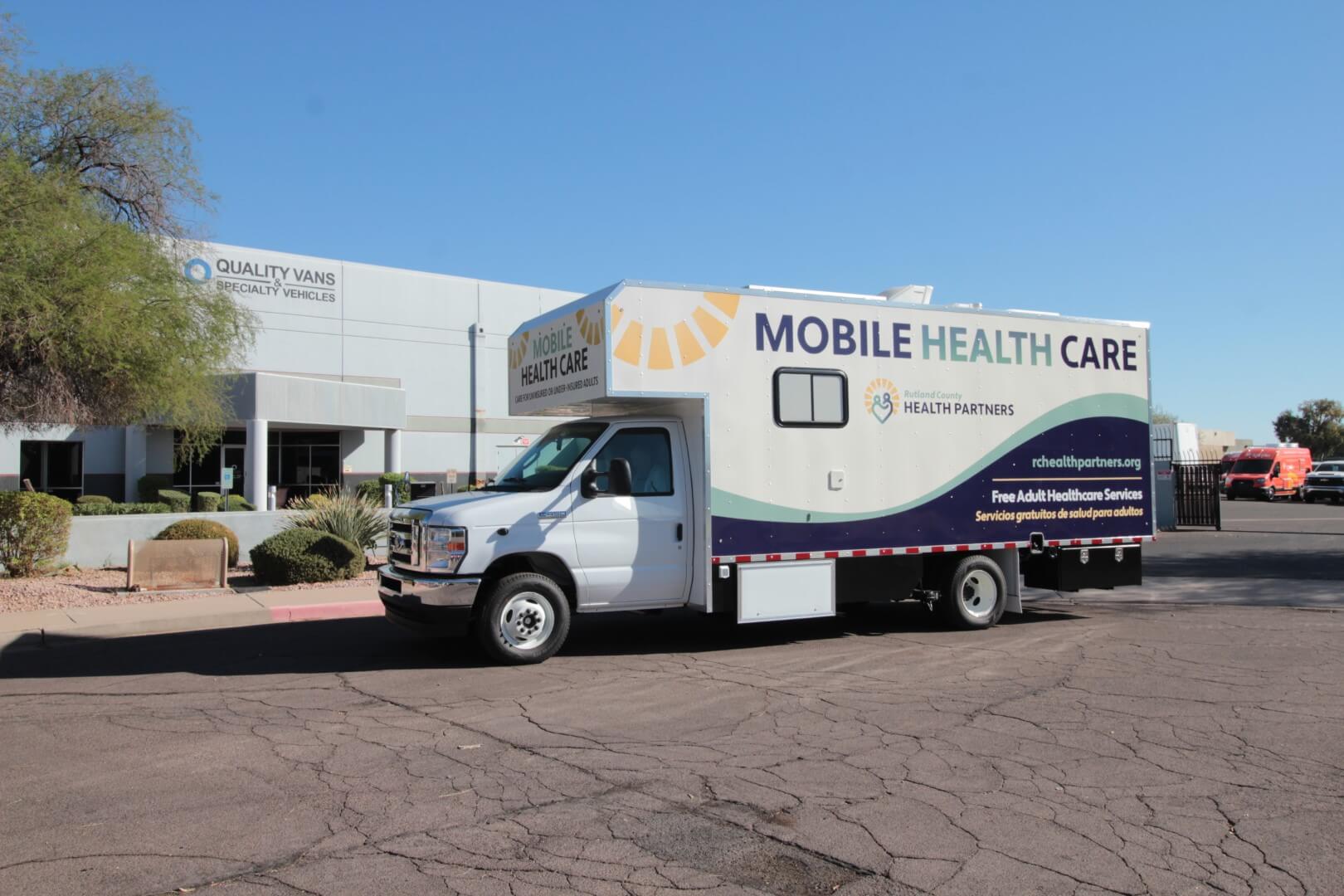
Mobile mammography units can bring important breast screening services directly to the communities that need them. However, creating an effective mobile breast screening vehicle involves much more than installing mammography equipment inside a truck or coach.
The vehicle must support specialized medical equipment, efficient workflows, patient privacy, accessibility, and staff comfort. Additionally, it must perform reliably as it travels between screening locations.
For healthcare organizations considering a mobile program, thoughtful planning can make a significant difference. Quality Vans & Specialty Vehicles designs custom mobile medical vehicles around the specific equipment, staff, patients, and operational needs of each organization.
What Is a Mobile Mammography Unit?
A mobile mammography unit is a specially designed medical vehicle equipped to provide breast imaging services at different locations. These vehicles allow healthcare organizations to extend screening beyond hospitals, clinics, and imaging centers.
For example, a mobile unit may visit rural communities, workplaces, community events, or areas with limited healthcare resources. As a result, providers can make breast screening more accessible to patients who might otherwise face transportation or scheduling barriers.
However, mobile mammography places sophisticated medical technology inside a moving clinical environment. Therefore, the vehicle itself becomes an important part of the screening operation.
Start With the Mammography Equipment
The mammography system should be one of the first considerations during vehicle planning. Different systems can have different requirements for space, electrical service, placement, operation, and supporting equipment.
Consequently, healthcare organizations should identify their preferred equipment as early as possible.
The vehicle layout can then be designed around that technology. This approach helps provide sufficient operating space while avoiding unnecessary compromises later in the build.
Quality Vans & Specialty Vehicles has extensive experience integrating specialized medical equipment into custom vehicles. Its team works with clients to understand their requirements before designing and fabricating the unit.
Plan for Power and Electrical Requirements
A mobile mammography vehicle needs a dependable electrical system that supports its clinical equipment and everyday operations.
In addition to the mammography system, power may be needed for computers, lighting, climate control, refrigeration, communications equipment, and other devices. Therefore, electrical demands should be calculated as part of the overall vehicle design.
Quality Vans offers custom electrical wiring and design for specialty vehicles. Generator installation is also available for mobile applications.
Building these systems around the intended equipment can create a more dependable environment for staff and patients.
Consider Space, Workflow, and Patient Privacy
Space is especially valuable inside a mobile medical vehicle. However, simply fitting everything inside is not enough. The interior should also support an efficient patient journey.
A mobile mammography unit may require areas for check-in, changing, imaging, staff work, and equipment storage. Depending on the program, a waiting area or restroom may also be appropriate.
Privacy should remain a priority throughout that process. For instance, changing and screening areas should allow patients to move through appointments discreetly.
Quality Vans can incorporate partitions, pocket doors, curtains, cabinetry, counters, seating, bathrooms, sinks, and other features. These elements can be customized around the organization’s workflow.
Design Around Accessibility
Mobile breast screening programs often serve diverse patient populations. Therefore, accessibility should be considered from the beginning rather than added later.
Entry and exit points should support safe patient movement. Additionally, the interior should provide enough space for patients and staff to navigate comfortably.
When required, Quality Vans can incorporate wheelchair lifts into mobile medical vehicles. The company can also customize floor plans based on the vehicle’s intended users and clinical purpose.
A thoughtful design helps make mobile breast screening services accessible to more members of the community.
Create a Comfortable Clinical Environment
Patients may already feel anxious before a mammogram. A professional, comfortable environment can help make the experience more welcoming.
Heating and air conditioning become especially important because mobile units may operate throughout different seasons and climates. Lighting, interior finishes, noise management, seating, and privacy can also influence the patient experience.
Quality Vans offers robust heating and cooling configurations for its mobile medical vehicles. Additionally, options such as interior speakers can support white noise or soft music for greater privacy.
These details may seem secondary to the medical equipment. However, they can significantly affect how patients experience the mobile clinic.
Include Enough Storage and Workspace
Medical teams need organized spaces for supplies, paperwork, computers, and other equipment. Poorly planned storage can quickly create clutter in a limited mobile environment.
Therefore, cabinetry and storage should reflect how the clinical team actually works.
Quality Vans operates an in-house woodworking shop that builds custom cabinetry, shelving, and other storage solutions. Overhead cabinets, standing counters, enclosed storage, and equipment compartments can be incorporated into mobile medical vehicles.
Custom fabrication can also help organizations make better use of areas that standard furniture cannot accommodate.
Address Mammography Compliance Early
Organizations should also consider applicable mammography regulations during the planning process.
Mobile mammography facilities are subject to Mammography Quality Standards Act requirements. These standards address areas such as equipment, personnel, quality assurance, recordkeeping, inspections, and image quality.
Because regulatory and accreditation requirements can influence equipment and operations, healthcare organizations should involve appropriate compliance professionals early. Equipment manufacturers, medical physicists, accreditation organizations, and other qualified specialists may need to participate in planning.
The goal should be to design the vehicle around both operational needs and applicable requirements from the outset.
Choose the Right Vehicle Platform
There is no single ideal platform for every mobile mammography program.
Patient volume, equipment weight, available space, travel distances, parking locations, accessibility, and budget can all affect the decision. A smaller vehicle may offer easier maneuverability. Meanwhile, a larger truck or coach may provide additional clinical space and storage.
Quality Vans works with multiple vehicle types, including vans, box trucks, coaches, and other specialty platforms. Its in-house fabrication capabilities can also address unique payload requirements.
Therefore, organizations can start with their clinical goals instead of trying to force those goals into a standard vehicle configuration.
Build a Mobile Mammography Unit Around Your Program
A successful mobile mammography unit should function as a purpose-built clinical environment rather than simply a vehicle carrying medical equipment.
Equipment integration, electrical capacity, accessibility, privacy, storage, climate control, workflow, and regulatory considerations all deserve attention. When these elements work together, healthcare organizations can create a more practical environment for both patients and clinical teams.
Quality Vans & Specialty Vehicles has been building custom specialty vehicles since 1974. The company works closely with healthcare organizations to design mobile medical vehicles around their unique applications, equipment, and operational requirements.
If your organization is considering a mobile mammography unit or another mobile healthcare vehicle, contact us at Quality Vans & Specialty Vehicles. Our team can help turn your clinical requirements into a custom mobile solution designed for your program and community.


