


Mobile Optical Clinic: Bringing Eye Exams to Underserved Communities
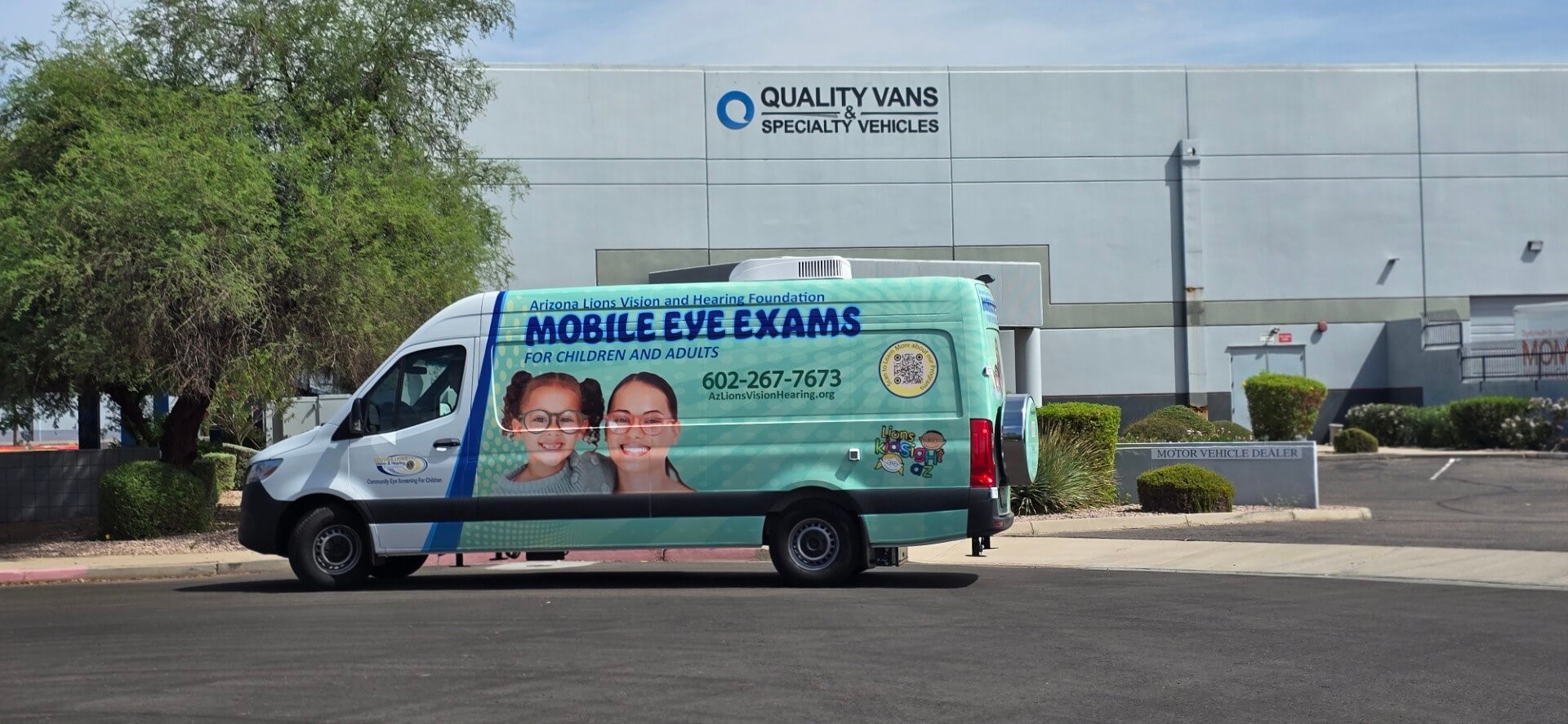
Access to professional eye care can be difficult for people living far from traditional clinics. Transportation challenges, provider shortages, and limited local resources may cause patients to delay important vision screenings.
A mobile optical clinic helps overcome those barriers by taking eye care directly into the community. These specialized vehicles can support exams, screenings, patient intake, and vision education in a professional mobile environment.
Quality Vans & Specialty Vehicles designs custom mobile medical units around each organization’s goals. With the right layout and equipment, a mobile optical clinic can serve rural towns, schools, tribal communities, and public outreach events.
What Is a Mobile Optical Clinic?
A mobile optical clinic is a specially designed vehicle or trailer equipped to support vision services outside a permanent office. Depending on its configuration, it may provide basic screenings, complete optical exams, or community vision outreach.
These units can benefit many types of organizations, including:
- Nonprofit vision programs
- Public-health agencies
- School districts
- Tribal health organizations
- Community health centers
- Optometry practices
- Universities and training programs
- Municipal outreach departments
Most importantly, a mobile optical clinic gives providers greater flexibility. Instead of asking patients to travel long distances, the clinic can visit familiar and convenient locations.
For example, a unit may travel to schools during the week and attend community events on weekends. It can also follow a regular route through rural or remote areas.
Expanding Access to Essential Vision Services
Many communities lack convenient access to optometrists and vision screening programs. Consequently, patients may overlook changes in their eyesight until those changes begin affecting daily life.
Children may struggle to see classroom materials. Meanwhile, adults may have difficulty driving, reading, or completing work-related tasks.
A mobile optical clinic creates another point of access. Providers can schedule visits near schools, community centers, senior facilities, and public-health offices.
Additionally, mobile programs can build stronger relationships within the communities they serve. Regular visits can create familiarity and encourage more people to participate in screenings.
This outreach model also helps organizations use their resources strategically. One vehicle can serve several communities instead of remaining in one location.
Designing an Efficient Optical Exam Lane
A functional exam area is one of the most important parts of a mobile optical clinic. The interior must provide enough distance and space for accurate testing while remaining easy to navigate.
The layout may include an optometrist’s chair, phoropter arm, examination monitor, and diagnostic equipment. Each component should support a comfortable and efficient workflow.
For instance, the testing chair and display must have the correct spacing. Staff also need room to position equipment and move safely around the patient.
A compact vehicle can still provide a professional exam lane when designers use the available space carefully. Custom cabinetry and equipment placement can prevent the interior from feeling crowded.
Quality Vans can develop each floor plan around the client’s equipment, staffing needs, and intended services.
Creating a Practical Intake and Work Area
Patient intake should move smoothly without disrupting the exam process. Therefore, many mobile optical clinics benefit from a separate workstation near the entrance.
This area may support registration, paperwork, scheduling, and initial testing. It can also provide space for equipment such as an autorefractor or tonometer.
A swivel cab seat may become part of the intake area in a compact mobile clinic. This approach uses existing space while reducing the need for extra seating.
Meanwhile, counters and workstations should include conveniently placed outlets. Staff may need to power laptops, printers, testing tools, and payment equipment.
An organized intake area improves efficiency and creates a more professional experience for patients.
Adding Custom Storage for Equipment and Frames
Optical outreach programs may carry diagnostic equipment, glasses frames, paperwork, cleaning supplies, and replacement components. Therefore, secure storage is essential.
Cabinets should keep equipment protected while the vehicle travels. Drawers and doors also need reliable latches that prevent them from opening on the road.
Custom storage can include:
- Frame display and storage areas
- Diagnostic equipment cabinets
- Overhead compartments
- Supply drawers
- Lockable storage
- Electrical component enclosures
- Paperwork and patient-record storage
Frequently used supplies should remain near intake and exam areas. However, technical equipment can occupy dedicated cabinetry elsewhere in the vehicle.
A thoughtful storage plan keeps the mobile optical clinic organized without reducing valuable working space.
Supporting Care With Off-Grid Power
A mobile optical clinic may operate in areas without reliable electrical connections. As a result, the unit needs a power system suited to its travel schedule and equipment.
An onboard generator can allow the clinic to work independently. Shore-power capability can also provide a convenient connection at schools, community centers, and established event sites.
Some programs may consider battery or solar-supported systems as part of their overall power plan. The right solution will depend on equipment demand, operating hours, and travel conditions.
Before the vehicle is designed, the organization should identify every electrical device it plans to use. That list may include monitors, diagnostic equipment, computers, lighting, and climate-control systems.
Quality Vans can then build the electrical system around the clinic’s actual requirements.
Maintaining Patient and Provider Comfort
A mobile medical environment must remain comfortable throughout the service day. Reliable heating, air conditioning, and ventilation help support both patients and providers.
This becomes especially important in communities with extreme temperatures. A roof-mounted air-conditioning system may help the clinic maintain a stable interior environment during summer outreach.
Good lighting also supports precise optical testing. Meanwhile, exterior scene lights can improve visibility during early morning or evening events.
Entry features deserve careful attention as well. Side steps and reinforced grab handles can make entering the unit easier and safer.
Larger mobile optical clinics may also require wheelchair lifts, wider doors, or other accessibility features.
Choosing Between a Van and a Trailer
The right platform depends on the size and scope of the outreach program.
A compact van can work well for a single optical exam lane. It also offers maneuverability for mountainous routes, urban streets, and smaller community locations.
In contrast, a larger trailer can support several exam lanes, a waiting area, and higher patient volume. However, it requires additional parking and towing considerations.
Organizations should consider:
- Expected daily patient volume
- Number of exam lanes
- Staff size
- Service territory
- Parking availability
- Accessibility requirements
- Equipment and storage needs
- Off-grid operating time
Quality Vans builds both custom specialty vehicles and medical trailers. Therefore, its team can help clients identify a platform that fits their outreach model.
Bring Vision Care Into the Community
A mobile optical clinic can help vision providers reach patients where they live, learn, and gather. It creates a flexible platform for eye exams, screenings, education, and community partnerships.
However, the vehicle must be designed around the program’s exact workflow. Exam spacing, storage, power, climate control, accessibility, and equipment placement all affect daily performance.
Quality Vans & Specialty Vehicles has created custom mobile medical solutions for organizations across the country. Its team can design compact optical testing vans or larger mobile eye-care facilities around specific program needs.
Contact us today to discuss your mobile optical clinic and discover how Quality Vans & Specialty Vehicles can put your vision-care program on wheels.


