


Mobile Health Screening Vehicles: Bringing Preventive Care Directly to Communities
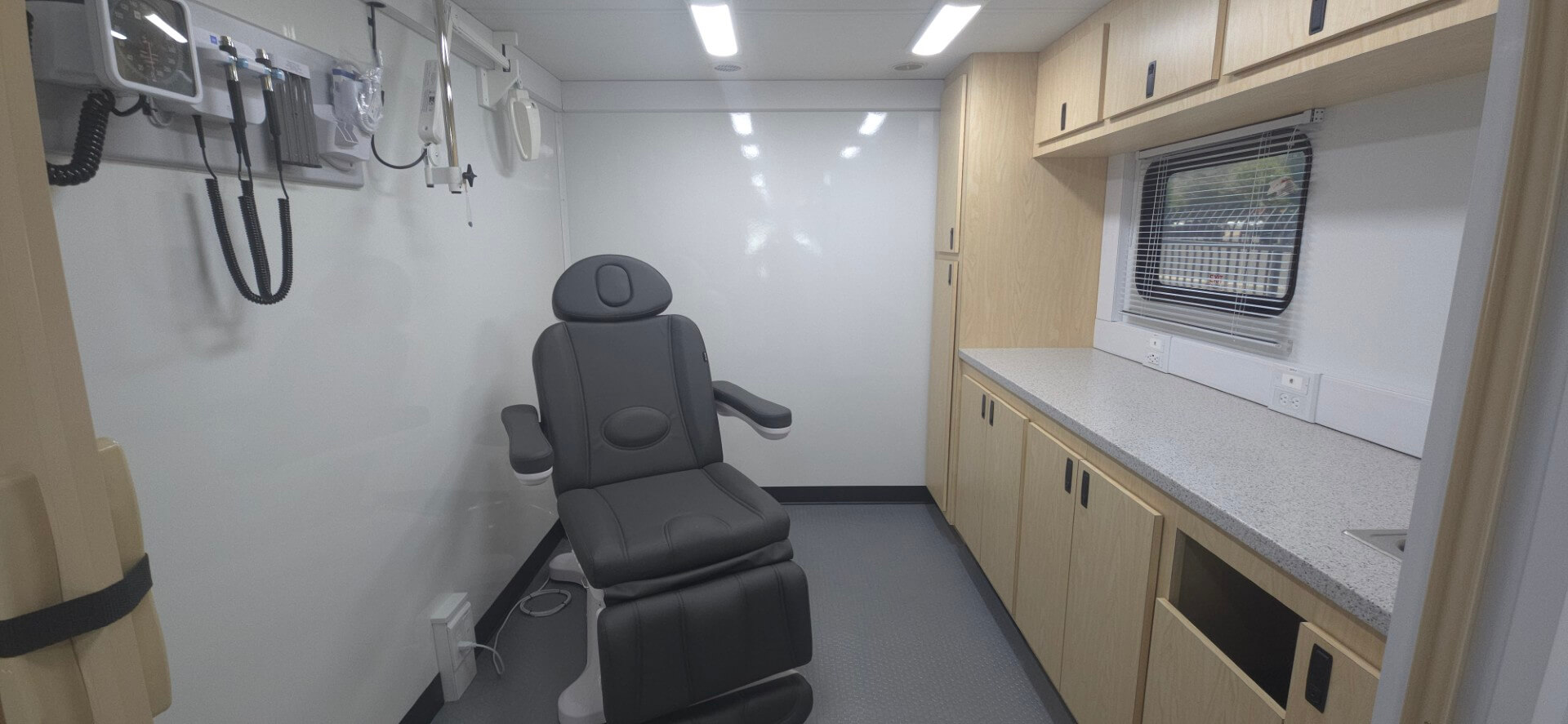
Preventive healthcare works best when people can easily access it. However, transportation challenges, limited local resources, and busy schedules can keep patients from completing important screenings. Mobile health screening vehicles offer healthcare organizations a practical way to bring preventive services directly into the communities they serve.
From vision testing and blood draws to wellness screenings and specialty medical outreach, these vehicles create flexible clinical spaces outside traditional facilities. Quality Vans & Specialty Vehicles designs custom mobile health screening vehicles that help healthcare organizations expand access while supporting efficient, professional patient care.
What Are Mobile Health Screening Vehicles?
Mobile health screening vehicles are specialized vehicles equipped to provide preventive testing, examinations, and healthcare outreach at different locations.
Depending on their purpose, they may support services such as:
- General wellness screenings
- Vision testing
- Blood draws
- Diagnostic testing
- Cancer screening programs
- Vaccination programs
- Health education
- Community outreach
- Chronic disease screening
- Specialty medical examinations
Therefore, healthcare providers are no longer limited to serving patients inside hospitals, clinics, or medical offices.
Instead, a mobile health screening vehicle can travel to neighborhoods, schools, community centers, workplaces, health fairs, and rural areas.
Why Mobile Preventive Care Matters
Early detection can play an important role in managing many health concerns. Yet patients must first have access to screening services.
Distance can become a major obstacle in rural areas. Likewise, transportation problems may prevent patients in metropolitan communities from visiting a traditional healthcare facility.
Mobile health screening vehicles help reduce those barriers by bringing healthcare services closer to patients.
Additionally, organizations can position vehicles where demand is highest. A healthcare system might schedule visits throughout several communities. Meanwhile, a nonprofit organization could use one vehicle for community events throughout its service area.
This flexibility allows healthcare organizations to extend their existing facilities rather than waiting for patients to come to them.
How Mobile Health Screening Vehicles Support Community Outreach
A well-designed mobile screening vehicle can serve as both a clinical space and an outreach tool.
For example, Quality Vans & Specialty Vehicles has built an optical testing Sprinter van for the Lions Club. The vehicle was designed to provide eye-care services in remote and underserved communities. The company has also developed a mobile prostate cancer screening coach for Mount Sinai and Emory Health.
These projects demonstrate how mobile healthcare can be designed around very specific community needs.
A screening vehicle can also create opportunities for health education. Staff members can discuss risk factors, answer questions, and encourage patients to schedule appropriate follow-up care.
Consequently, the vehicle becomes more than transportation. It becomes a mobile extension of the healthcare organization.
What Features Can a Mobile Screening Vehicle Include?
Every healthcare organization operates differently. Therefore, the layout and equipment inside a mobile health screening vehicle should reflect its actual clinical workflow.
Quality Vans & Specialty Vehicles creates customized medical units using vans, coaches, and custom-fabricated box trucks.
Depending on the application, a vehicle can include exam rooms, intake areas, clinical workstations, medical refrigerators, handwashing sinks, storage, patient seating, bathrooms, and accessibility equipment.
Power is another important consideration.
Mobile healthcare programs may operate far from traditional facilities. Therefore, vehicles can be designed with battery systems, generators, shore power connections, and climate-control systems that support extended operation.
Some applications may also require wheelchair lifts or other ADA-focused features to improve accessibility.
Most importantly, the interior should help medical professionals move efficiently from patient intake through screening and consultation.
Mobile Screening Vehicles Can Support Rural and Urban Communities
Mobile healthcare is often associated with rural medicine. However, these vehicles can serve metropolitan communities just as effectively.
In rural areas, a mobile clinic may travel significant distances between communities that have limited healthcare resources.
In cities, healthcare organizations can bring screening programs into neighborhoods where transportation, work schedules, or other barriers make appointments difficult.
Additionally, mobile units can support temporary events and targeted outreach programs. Hospitals, public health agencies, nonprofits, universities, and other healthcare organizations can bring services directly to specific populations.
As a result, organizations gain greater flexibility when planning preventive healthcare initiatives.
Choosing the Right Vehicle for Your Screening Program
There is no universal mobile medical vehicle configuration.
A compact screening program may work well inside a high-roof van. Conversely, a program requiring multiple clinical areas may need a larger box truck or coach.
Before selecting a vehicle, organizations should consider several operational questions.
How many patients will the team serve? What medical equipment must remain onboard? Will patients need private exam areas? Does the vehicle require refrigeration? How much storage is necessary? Will the unit operate without outside power?
Accessibility, climate control, staff workflow, electrical requirements, and future program growth should also influence the design.
Answering these questions early helps create a vehicle that supports daily operations instead of simply fitting equipment into available space.
Why Work With Quality Vans & Specialty Vehicles?
Quality Vans & Specialty Vehicles has been building custom mobile medical vehicles since 1974. That experience allows its team to approach each project with an understanding of how vehicle design and healthcare workflow must work together.
The company has developed mobile units for healthcare systems, government organizations, community health programs, universities, and nonprofit organizations.
Moreover, each vehicle can be customized around the services the organization intends to provide. That can include equipment placement, storage, accessibility, power systems, exam spaces, patient intake areas, and other specialized requirements.
Instead of forcing a healthcare program into a standard configuration, Quality Vans & Specialty Vehicles works with clients to develop layouts around their operational goals.
Bring Preventive Healthcare Directly to Your Community
Mobile health screening vehicles can help healthcare organizations meet patients where they are. They support preventive screenings, health education, medical outreach, and specialty care while providing a professional clinical environment outside traditional facilities.
More importantly, the right vehicle can become a long-term resource for expanding healthcare access across multiple communities.
Quality Vans & Specialty Vehicles designs and builds customized mobile medical vehicles for healthcare organizations with a wide range of screening and outreach needs. Whether your program requires a compact screening van or a larger self-contained mobile clinic, their team can help develop a vehicle around your equipment, workflow, accessibility, and operational requirements.
Contact us at Quality Vans & Specialty Vehicles to discuss your mobile health screening program and explore options for putting your healthcare services on wheels.


