


Prisoner Transport Bus Specifications: How Agencies Can Plan the Right Vehicle
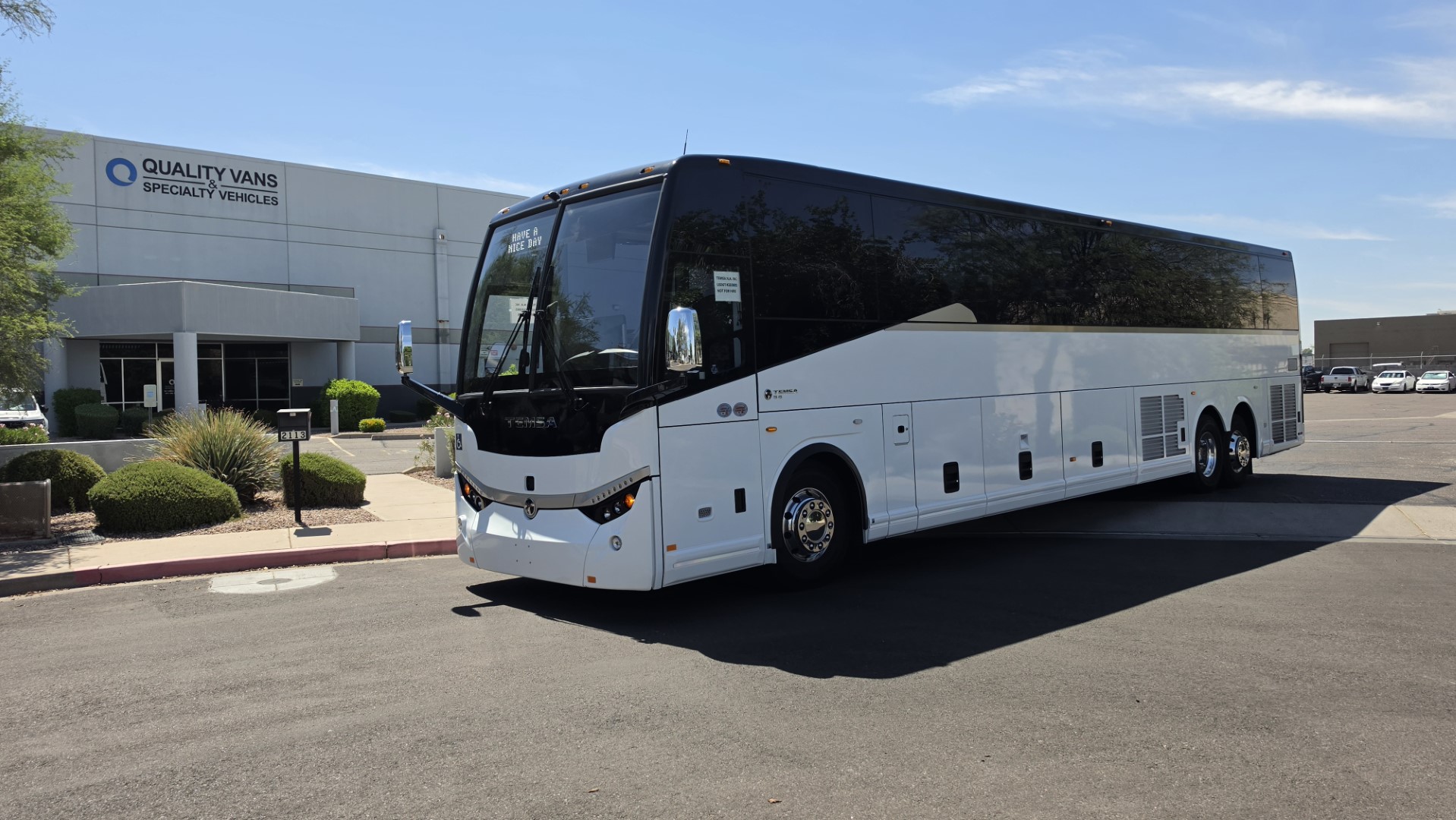
Ordering a prisoner transport bus requires more than selecting a chassis and deciding how many passengers it should carry. Agencies need to define how the vehicle will operate before the build begins. Therefore, developing clear prisoner transport bus specifications can be one of the most important steps in the purchasing process.
A detailed specification helps align the vehicle with routes, staffing, accessibility requirements, security procedures, and agency policies. Additionally, it gives manufacturers a clearer understanding of what the department expects from the finished vehicle.
Quality Vans & Specialty Vehicles works with public agencies to develop custom specialty vehicles around specific operational requirements. Since 1974, the company has provided specialty vehicle manufacturing and upfitting for customers nationwide.
Why Prisoner Transport Bus Specifications Matter
No two correctional or law enforcement agencies operate exactly the same way. One department may primarily transport inmates between a jail and courthouse. Meanwhile, another may regularly complete regional or long-distance transfers.
Because operations differ, prisoner transport bus specifications should reflect the actual mission of the vehicle.
A clear specification can establish important requirements before fabrication begins. For example, agencies can define passenger capacity, compartment needs, accessibility, driver areas, electrical systems, and equipment requirements.
Additionally, detailed planning helps reduce changes later in the project. Agencies can identify priorities early and communicate them to the vehicle builder before major fabrication decisions occur.
Ultimately, the goal is simple. The bus should be designed around the department’s transportation process rather than forcing the department to adjust its process to the bus.
Start With the Bus’s Primary Mission
Before developing detailed prisoner transport bus specifications, agencies should identify exactly how the vehicle will be used.
Consider the types of trips the department handles most often. These could include courthouse transportation, jail transfers, correctional facility movement, or transportation between regional facilities.
Next, agencies should consider typical passenger numbers. Peak demand matters as well. A vehicle designed only around average usage may create capacity problems during busier periods.
Route length should also influence planning. Local transportation presents different requirements than extended highway travel. Likewise, urban and rural routes can create different operational demands.
By establishing the mission first, agencies gain a stronger foundation for every decision that follows.
Plan Compartment Configurations Around Daily Operations
Passenger count alone does not define an effective prisoner transport layout. Instead, agencies should consider how transported individuals may need to be separated during routine operations.
Therefore, prisoner transport bus specifications may address the number, location, and size of separate passenger areas. Agencies can also consider how staff will access those areas during loading and unloading.
Officer movement deserves attention as well. Staff should be able to perform their duties efficiently within the completed configuration.
Quality Vans & Specialty Vehicles specializes in custom fabrication rather than forcing every customer into one standard layout. As a result, departments can discuss configurations that better reflect their procedures and transportation requirements.
Include Accessibility Early in the Specification Process
Accessibility can be difficult to add as an afterthought. Consequently, agencies should evaluate potential accessibility needs during the initial planning process.
Depending on departmental requirements, a vehicle may need wheelchair access, a powered lift, secure wheelchair positioning, or flexible passenger configurations.
Quality Vans & Specialty Vehicles has experience developing ADA prisoner transport solutions. Their specialty vehicle capabilities allow accessibility to become part of the overall design rather than a separate consideration later.
Furthermore, planning accessibility from the beginning can help agencies create a vehicle that serves a broader range of transportation needs.
Think Beyond the Passenger Compartment
Effective prisoner transport bus specifications should also address the systems supporting daily vehicle operation.
For example, agencies may need specific interior or exterior lighting configurations. Electrical demands can vary depending on cameras, communications equipment, controls, or other onboard technology.
Climate requirements should also be discussed. Additionally, agencies may have needs involving storage, steps, flooring, equipment placement, or specialized controls.
Quality Vans & Specialty Vehicles provides in-house fabrication and specialty vehicle customization. Its capabilities include electrical wiring and design, lighting installation, structural fabrication, and numerous custom vehicle options.
Therefore, departments can consider the complete working environment when developing their vehicle specifications.
Consider Procurement Requirements Before the Build
For government agencies, designing the vehicle represents only part of the purchasing process. Procurement rules can also shape how a project moves forward.
Quality Vans & Specialty Vehicles works with federal, municipal, and other government procurement requirements. The company offers options that include cooperative procurement agreements and direct purchasing.
Additionally, Quality Vans & Specialty Vehicles is registered as a federal contractor through SAM under its corporate entity. The company also maintains a GSA Consolidated Schedule for eligible specialty vehicle purchasing.
Importantly, agencies do not necessarily need to develop every detail themselves. Quality Vans & Specialty Vehicles can assist customers with industry-standard specifications and scopes of work for specialty vehicle projects.
That assistance can make the early planning process easier for fleet managers, procurement teams, administrators, and public safety personnel.
Create Specifications With Long-Term Use in Mind
A prisoner transport bus can remain in service for years. Therefore, specifications should address more than immediate transportation needs.
Departments should consider how passenger volume may change. They should also evaluate future accessibility requirements, technology additions, staffing procedures, and fleet growth.
Additionally, agencies can identify which features are essential and which are optional. This distinction can help procurement teams work within budget requirements without losing sight of the vehicle’s primary mission.
Thoughtful planning also creates an opportunity to involve the people who will actually use the bus. Fleet personnel, transport officers, administrators, and procurement staff may each notice different operational requirements.
Bringing those perspectives together can produce more complete prisoner transport bus specifications.
Plan Your Next Prisoner Transport Bus With Quality Vans
The right prisoner transport vehicle begins long before fabrication starts. Clear prisoner transport bus specifications help define the mission, layout, accessibility needs, onboard systems, and procurement requirements from the beginning.
Quality Vans & Specialty Vehicles brings more than 50 years of specialty vehicle experience to that process. From helping develop specifications and scopes of work to custom fabrication and final delivery, their team can support agencies throughout the project.
Whether your department is preparing an upcoming procurement or beginning to explore a custom build, experienced guidance can make planning easier. Contact us at Quality Vans & Specialty Vehicles to discuss your prisoner transport needs and start developing the right vehicle for your agency.


