


Why Mobile Medical Vehicles Are Becoming a Strategic Asset for Hospitals and Health Networks
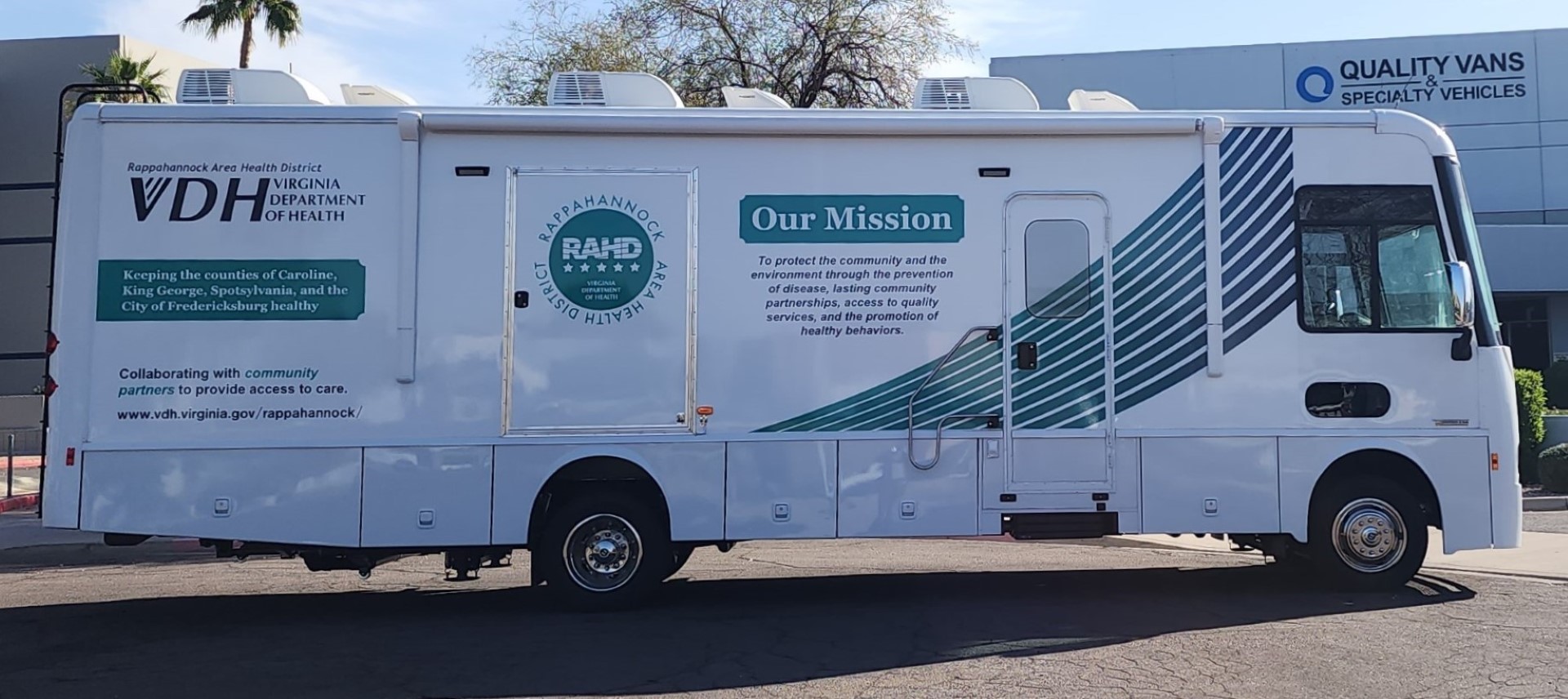
Healthcare organizations across the country face growing demands for flexibility, accessibility, and efficient service delivery. As these challenges increase, many hospitals and health networks are turning to mobile medical vehicles as a strategic solution. These vehicles offer far more than basic mobility. They create new opportunities for patient care, operational reach, and long-term organizational growth. Because quality, customization, and reliability matter in every mobile unit, many providers look to companies like Quality Vans & Specialty Vehicles to support their evolving needs.
Expanding Clinical Reach With Mobile Medical Vehicles
Hospitals and health networks consistently look for ways to expand care without adding the financial burden of new buildings. Mobile medical vehicles help them reach more patients quickly because they remove geographic barriers. They allow organizations to deliver screenings, primary care, diagnostics, consultations, and even specialty services in new locations. As a result, healthcare providers gain the ability to support community needs in ways that traditional brick-and-mortar practices cannot.
Moreover, these vehicles help providers respond to patient demand in real time. If a specific neighborhood needs increased access to preventive care or health screenings, mobile units can be deployed immediately. This flexibility makes them an essential asset for both long-term planning and urgent needs.
Increasing Operational Efficiency Through Customization
Hospitals must prioritize efficiency if they want to maintain smooth patient flow and consistent performance. Mobile medical vehicles contribute to this goal by offering layouts and configurations that support specialized workflows. When designed properly, a mobile unit can mirror the functionality of a clinic while allowing staff to move through tasks with speed and clarity.
For example, strategically placed equipment, smart storage solutions, and intuitive layouts help physicians and nurses operate at full capacity. Additionally, custom HVAC, electrical, and technology systems keep the environment comfortable and reliable throughout the day. These details matter because they allow teams to deliver high-quality care without interruption.
Furthermore, when a mobile unit aligns with a hospital’s existing processes, staff members avoid the delays that come with unfamiliar setups. This smooth integration creates a more efficient experience for both patients and healthcare professionals.
Supporting Growth Without Expanding Physical Facilities
Many hospitals face strict limitations when it comes to expanding their physical footprint. Land availability, zoning requirements, and construction costs can create obstacles that slow growth. Mobile medical vehicles present a strategic alternative because they allow networks to expand their presence without the expense of new construction.
This advantage is especially important when a health system wants to test new service lines or specialty programs. Instead of committing to a long-term building project, they can use a mobile unit to evaluate demand. If the service grows successfully, they can continue expanding. If demand shifts, they can relocate the unit to another area that needs attention. This flexibility helps organizations adapt to market changes with confidence.
Strengthening Community Engagement and Trust
Hospitals and health networks want to build strong relationships within the communities they serve. Mobile medical vehicles help advance this goal because they meet patients where they live, work, and gather. When people see healthcare services brought directly to their neighborhood, they often feel more comfortable and supported.
Additionally, mobile units allow providers to attend local events, partner with community leaders, and offer convenient outreach programs. These efforts help hospitals demonstrate their commitment to public health. Over time, consistent access to mobile care increases patient trust and encourages stronger engagement with the broader healthcare system.
Improving Patient Access and Reducing Barriers
Access remains one of the biggest challenges in healthcare. Transportation limitations, distance, mobility issues, and scheduling conflicts all prevent people from receiving timely care. Because mobile medical vehicles reduce those barriers, they naturally support better patient outcomes.
Patients appreciate having convenient access to services without long commutes or complicated scheduling. Providers also benefit because accessible care often leads to earlier detection, reduced emergency visits, and more consistent follow-up. These improvements strengthen both patient health and operational stability.
Future-Proofing Healthcare With Adaptable Mobile Solutions
Healthcare needs continue to evolve, and hospitals must stay prepared. Mobile medical vehicles offer future-ready flexibility because they can be updated, reconfigured, and redeployed as priorities change. Whether a hospital wants to add new diagnostic equipment, expand digital health tools, or shift services to new locations, these vehicles can be adapted easily.
This adaptability makes them a long-term strategic asset rather than a temporary resource. When designed by experts, mobile units support modern medical technology, evolving clinical guidelines, and emerging healthcare trends.
Moving Forward With a Strategic Mobile Medical Approach
Hospitals and health networks benefit greatly when they invest in solutions that enhance care, efficiency, and community reach. Mobile medical vehicles help organizations accomplish all three goals while staying agile in a rapidly changing healthcare environment. Because these units support both operational and strategic initiatives, they have become an essential part of modern medical planning.
If your organization is ready to expand services, improve access, or increase operational flexibility, now is the perfect time to explore how mobile solutions can support your goals. To learn more or to begin planning your next step, contact us today.


